Official Vacation Travel Website of Kentucky Lake & Lake Barkley


Official Vacation Travel Website of Kentucky Lake & Lake Barkley

With two major lakes, hundreds of miles of hiking trails and many great golf courses, Western Ky has become a haven for outdoor enthusiasts. It is also home to the Land Between The Lakes National Recreation Area.
View more Outdoors in Western Ky
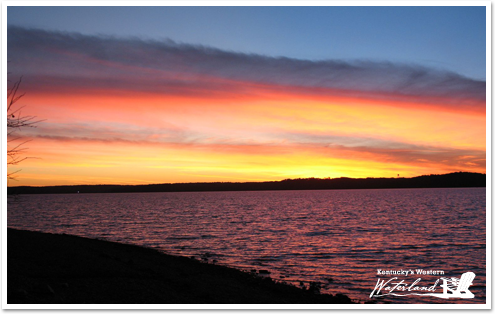
Beautiful sunsets in western Kentucky are found nearly every evening right outside your backdoor. This sunset was captured on the back deck of Moon Bay Harbor on the beautiful banks of Lake Barkley.
View more lodging in western Kentucky



Ky’s reputation for superb fishing draws more than 150,000 out-of-state anglers each year. With two major lakes and plenty more small fishing areas, western Ky is a fisher's paradise. Learn more about fishing opportunities in westerrn Ky in our visitors guide and though local tourism offices in the area. Follow the links to download or view our visitor's guide online and to learn how to receive visitor's guides by mail.
Your Western Kentucky and Lake Area Fishing Resource Center
|
Basic Fishing Brochure |
Species of Fish |
Land Between The Lakes Map |
 Kentucky Fishing and Boating Guide (See Pages 5 and 7 for Current Fishing Regulations) |
On October 18, the elevation of Kentucky Lake was 356.2 feet and the surface water temperature was 63 degrees. The elevation of Lake Barkley was 356.1 feet and the surface water temperature was 64 degrees. Summer pool for both lakes is 359 feet and winter pool is 354 feet. (To check daily elevations and projected levels of Kentucky Lake call , lake #33.)
CRAPPIE: Crappie fishing is fair to good on both lakes. Some crappies have been taken on Kentucky and Barkley Lakes using live minnows fished on creek ledges in 12 to 20 feet of water. Main lake crappies have also been active in cover in 10 to 15 feet of water using curly tails or jigs. Brush piles and stump beds have been the most productive.
BASS: Smallmouth fishing is fair on Kentucky Lake using jigs or crawfish colored crank baits fished at creek mouth or main lake points. Largemouth fishing is good on the southern portion of Kentucky Lake in the grass beds and main lake stump beds. Good numbers of bass are being taken south of Blood River on the main lake as well as in the creeks. Spinner baits, surface lures, and grass frogs have been productive.
BLUEGILL: Bluegill fishing is fair to good on both lakes using red worms or crickets fished in brush piles and points in 8 to 15 feet of water.
WHITE BASS: White bass fishing is fair to good on both lakes. Some good numbers of whites are being taken in front of both dams on main lake humps in 15 to 30 feet of water. White rooster tails or jigging spoons fished near the bottom have been productive.
SAUGER: Sauger fishing is fair on Kentucky Lake using live minnows fished on the bottom in 15 to 25 feet of water at creek mouths.
CATFISH: Catfish fishing is very good on both lakes using night crawlers, shrimp, or cut bait fished in 45 to 60 feet of water on the main lake.
FISHING TIP: Vey good bass fishing has been reported on Kentucky Lake using walking style surface lures in the backs of the creeks. Early and late in the day these fish can be seen surface feeding on shad minnows.
NOTES: A taped telephone report is available by dialing . A weather forecast is available by dialing .
Mention of specific products in this report does not represent an endorsement by the USDA Forest Service.
|
Fishing Supplies
Tradewater Bait Company/Fisherman's Friend |
Fishing Tournaments
FLW Outdoors For Other Area Fishing Tournaments go to: |
|
KY LAKE
The lake is 184 miles long, has 2,380 miles of shoreline and 160,300 surface acres of water at summer water levels -- the largest man-made lake in the eastern US. Because the lake is located along a major waterfowl migration route, it supports a wintering population of more than 450,000 waterfowl. Ky Lake offers excellent fishing for crappie, smallmouth and largemouth bass, bluegill, catfish, stripers and sauger.
 LAKE BARKLEY
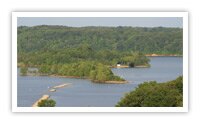
The Cumberland River is dammed at Lake City to make Lake Barkley. This dam is just east of the Tennessee River dam that created Kentucky Lake. At Grand Rivers the lakes are connected by a canal, forming one of the greatest freshwater recreational complexes in the country. The lakes run parallel courses for more than 50 miles with LBL located between them. Lake Barkley is more shallow than Ky Lake offering a different type of fishing for the same species.
LAND BETWEEN THE LAKES (LBL)
Re-discover the simple pleasures of playing in the outdoors at USDA Forest Service LBL National Recreation Area. Located in western Ky and Tennessee, between Ky and Barkley Lakes, LBL offers 170,000 acres of wildlife, history and outdoor recreation opportunities, wrapped by 300 miles of undeveloped shoreline.
MISSISSIPPI RIVER
The Mississippi River forms the 58 miles of the Ky/Missouri border, beginning at the confluence of the Ohio and Mississippi Rivers. It's a massive river, often more than 2 miles across. Summer is a great time to fish the Mississippi because the river generally runs at a moderate level. In early June, it might still be high from spring rains or even snow melt in the Ohio River watershed. As the month progresses, however, and even more so through the rest of summer, the river level normally will drop and stabilize.
OHIO RIVER
Second in volume only to the Mississippi, the Ohio River itself is a huge river. The Ohio is a much more significant resource for most Ky fishermen than the Mississippi. The Ohio River runs 700 miles along Ky's northern border, making its water convenient to Ky anglers. Strong current, abundant cover and concentrations of baitfish make the tailwaters the most productive portions of the Ohio River. Both Smithland Pool and Lock 52 in western Ky have tailwater access good for boating and bank-fishing anglers alike.
 CLARKS RIVER
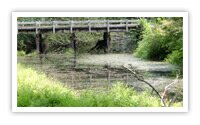
The Clarks River flows into the Ohio River just northwest of Paducah. In large part because of the wetland habitat complexes formed by the river, creeks, beaver ponds and natural ponding, the area is home to the only national wildlife refuge located entirely in Ky. The Clarks River National Wildlife Refuge () is located in western Ky between Benton and Paducah on the East Fork of the Clarks River. The natural wetland ecosystem is relatively intact and has high wildlife habitat values, particularly for migratory birds and other species representative of bottomland hardwood systems.
LITTLE RIVER
Little River originates near Hopkinsville and flows north through Cadiz before emptying into Lake Barkley. Though short, only 70 miles, Little River provides the only white-water kayaking in western Ky. Though not the Rocky Mountain whitewater, many enjoy having the excitement of rougher water. Kayaking tours of Little River are available.
CATFISH
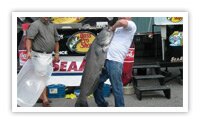 When conditions are tough for many types of fishing, catfishing stays hot on several rivers and lakes in western Ky. Catfish are among the best-eating and most sought-after fish in western Ky, but they don't get a lot of fanfare. Catfish anglers quietly go about the business of catching fish while more glamorous species, like largemouth bass and crappie, get the headlines. Many guide services will help find the best spots for catfish and even clean the catch. Fish for catfish in the four big rivers of western Ky – Mississippi, Ohio, Cumberland and Tennessee – as well as Barkley and Ky Lakes. Catfish are primarily bottom feeders, which is one reason they pack in below Smithland, Ky and Barkley dams. There they can pick off wounded baitfish, nose through a constant flow of other possible food sources, and have the preferred rocky bottom habitat. As water temperatures warm, catfish move into creek and river channels, and can be taken at shallower depths. At night or on overcast days, fishing around rocky cover on flats near the main-lake channel is a good choice anywhere along the course of either lake. Outside bends in the main lake channel, where the old channel pushes close to the banks of the main lake to create a bluff, are predictably good locations for catfish. Virtually every cove in the lakes supports plenty of channel catfish, along with small blues. The best summer fishing in the coves occurs after dark, when the channel cats move shallow and get more active.
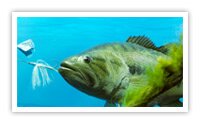 LARGEMOUTH BASS
Widely distributed throughout the lakes, this top sport fish is frequently caught in excess of five pounds. The biggest fish of the year are taken in the early spring as spawn begins and the fish are close to the shorelines. The largest quantities of bass are commonly taken during April and May. In summer, as the water temperature rises, fish concentrate on the drop-offs and creek channels during midday. Some action can still be found in the shallows at early morning and late evening. Fall brings a return of spring patterns. Largemouth can also be found chasing the abundant schools of baitfish that are normally found on the main lake near the points. They will move back to drop- offs during the winter, but a few mild days may entice them into the shallows for feeding.
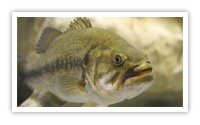 SMALLMOUTH BASS
Considered to be the best fighter when hooked, this species is found in large concentrations in both lakes. These spring spawners closely follow the patterns of largemouth bass during spring and summer, with the largest numbers being caught in April and May. Fall and winter will find them much more reluctant to move into the shallows, preferring the deep, rocky banks.
Ky (SPOTTED) BASS
Abundant populations of this fighter are found along the main lakes and major tributaries. Following many of the spring and summer patterns of the largemouth, they can also be found schooling near baitfish. During mid-fall, they will return to shallow waters, especially near wood structures. Like the largemouth, they will hang near the drop-offs during the winter.
WHITE & BLACK CRAPPIE
The average size of these closely-related species is quite large due to the minimum size limitations and the immense forage base found in both lakes. In early spring they are found along shallow drop-offs and near shore where cover is available. As the water temperatures rise, crappie move into the shallows to spawn. March, April and May yield the biggest catches and offer the heaviest activity, with the spawn generally occurring near the middle of April. As summer approaches they will seek the cooler areas around drop-offs, but will reappear in the fall around structures and shorelines with cover. The colder months will make them a little sluggish, but nice catches are still very possible on creek channels near the mouth of bays, especially after two to three days of moderate weather.
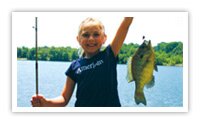 BLUEGILL
Located all over the lakes, bluegill spawn in late spring and concentrate in timber and brush during April and May. During summer, and even late fall, they can be found near almost every dock and tree, with the bigger of the species being caught deeper. They will often keep these patterns as late as December, growing sluggish in January.
WHITE BASS
Tremendous schools of these fish make annual runs to upper reaches of the main tributaries each spring. During the summer months, large schools will chase shad and minnows on the surface of the main lake, providing some of the best action to be found. Trolling with deep divers or spoons along the edges of the main river channel will also produce large catches. During the fall months, they are more difficult to locate but are still in large schools and will occasionally show some surface activity. White bass tend to frequent deep flats in late fall, but will move to the deeper main lake points during winter months.
STRIPED BASS & ROCKFISH
These species concentrate below the dams in the swift tailwaters. Using live bait (herring or shad, caught below the dams), jigs and Rapala-type lures will produce the best results in the spring. Summer patterns are very similar, but also try trolling with a very deep diving lure. Rockfish are more active in the fall. Switch to a larger bait, 6 to 10 inches, and watch for surfacing fish. During the winter months, the activity will slow as the water temperature falls. Use smaller baits at this time of year.


Area & State visitor's guides & brochures!


See what western Ky has to offer!

Search who, what, when & where!


© 2010 Kentucky's Western Waterland. All Rights Reserved. | Website Design & Maintenance by K-Squared Designs, LLC